
Why It's Time to Rethink Resume-Centric Hiring
For decades, the resume and the college degree have been the undisputed kings of recruitment. But how often have you hired a candidate with a perfect pedigree, only to find they lack the practical skills to excel in the role? Or worse, have you overlooked a fantastic, capable candidate because their background was “non-traditional”?
This disconnect is why a massive shift is underway. Forward-thinking companies are abandoning outdated hiring checklists and embracing skills-based hiring—a method that prioritizes what a candidate can actually do over the credentials they hold.
This isn’t just a trend; it’s a practical solution for building more capable, diverse, and resilient teams. If you’re looking to improve your hiring outcomes, here’s how to implement it.
What is Skills-Based Hiring? (And Why It Matters)
Skills-based hiring is a recruitment approach that focuses on a candidate’s specific abilities and competencies to perform the tasks required for a job, rather than focusing primarily on their educational history or job titles.
The benefits are clear:
- Reduces Unconscious Bias: Creates a fairer process by focusing on objective, measurable skills.
- Expands Your Talent Pool: Allows you to consider candidates with transferable skills from different industries or self-taught backgrounds.
- Improves Retention & Performance: Hiring for skills leads to better job fit, which increases employee satisfaction and productivity.
- Future-Proofs Your Team: Helps you identify candidates with the precise skills needed for tomorrow’s challenges.
7 Effective Strategies to Implement Skills-Based Hiring
Ready to refine your recruitment process? Here are seven actionable strategies to get you started.
- Rewrite Your Job Descriptions
The first step is to change what you’re looking for. Instead of listing requirements like “Ivy League degree” or “5 years as a Manager,” focus on the actual tasks and skills needed to succeed.
- Instead of: “Requires a bachelor’s degree in Marketing.”
Try: “Must be able to develop and execute a multi-channel content calendar that increases audience engagement.”
- Prioritize Work Samples and Practical Assessments
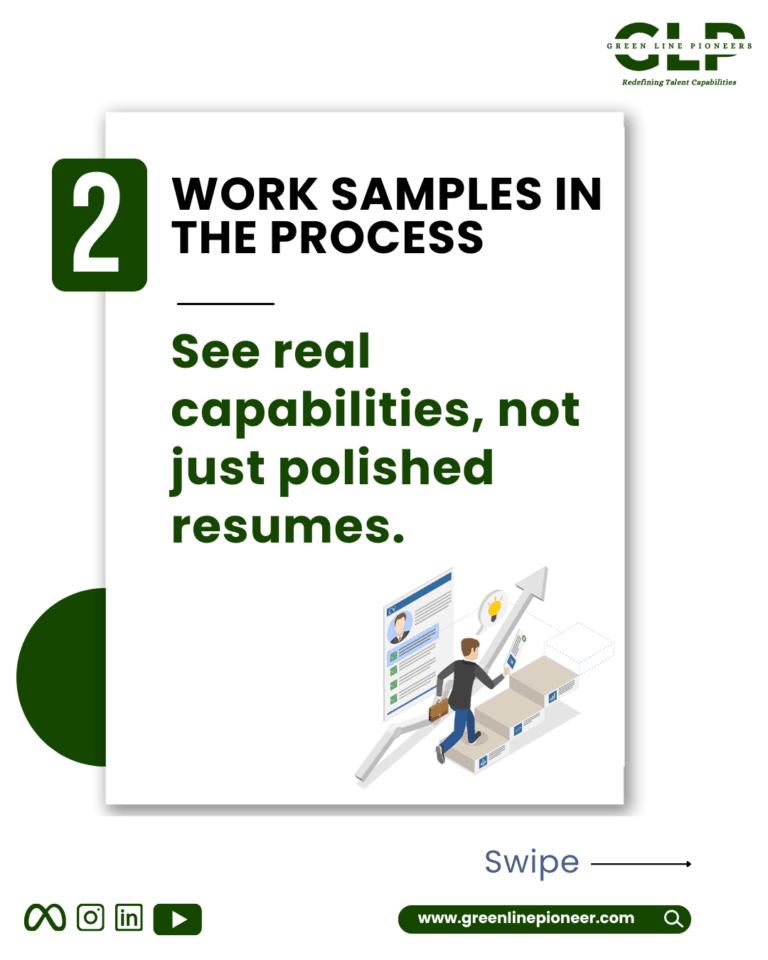
The best way to know if someone can do the job is to see them in action. Replace abstract questions with concrete tasks.
- For a writer: Ask for a sample blog post on a relevant topic.
- For a developer: Have them complete a small coding challenge.
- For a designer: Request a portfolio review or a design exercise.
- Value Transferable Skills and Potential
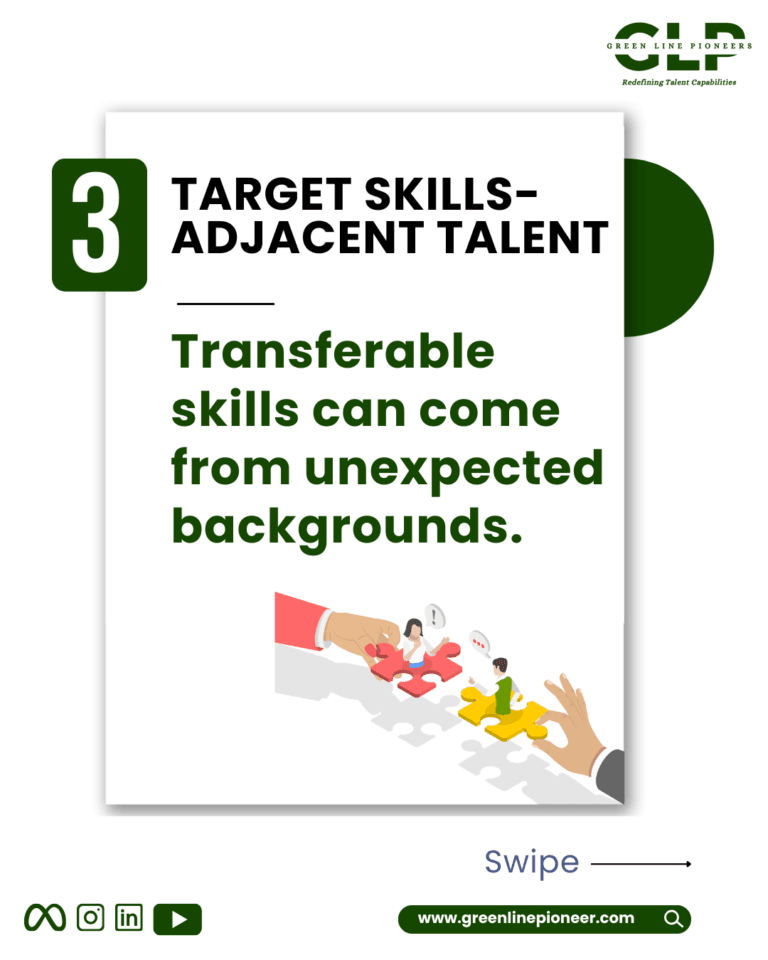
Some of your best hires will come from outside your industry. Look for candidates who demonstrate core competencies like problem-solving, communication, and adaptability—skills that are valuable in any role.
- Conduct Structured, Skill-Based Interviews
Ensure every candidate is assessed fairly by using a structured interview process. Ask each person the same set of questions designed to probe specific skills relevant to the job.
- Example: Instead of “Tell me about yourself,” ask “Tell me about a time you had to manage a difficult project with a tight deadline. What was your process and what was the outcome?”
- Involve a Diverse Interview Panel
One interviewer’s bias can skew a hiring decision. Involving multiple team members from different departments brings varied perspectives and leads to a more balanced evaluation of a candidate’s skills and cultural add.
- Track the Right Metrics
Stop measuring success solely by “time-to-fill.” Shift your KPIs to track the effectiveness of skills-based hiring:
- New hire performance ratings
- Employee retention rates after 1 year
- Quality of hire (manager satisfaction)
- Implement Skills-Focused Onboarding
The skills-based approach shouldn’t end at the offer letter. Create an onboarding program that builds upon the new hire’s identified strengths and provides targeted training to close any minor skill gaps, setting them up for long-term growth.
Ready to Build a More Robust Team?
Transitioning to a skills-based hiring framework requires a shift in mindset and process, but the payoff is a stronger, more dynamic, and future-ready workforce.
At Green Line Pioneers, we specialize in helping businesses like yours adopt these very strategies. We provide the tools and guidance to refine your recruitment process, reduce bias, and ultimately, make hires that drive your business forward.
Is your organization ready to hire for skills, not just pedigrees? [Contact Green Line Pioneers today] for a free consultation and let’s build your ideal team.

Green Line Pioneers
Redefining Talent Capabilities
Explore us on Social Media