
Employee Engagement Challenges & Data-Driven Strategies to Fix Them
Employee engagement is the backbone of a successful business. When employees are motivated and committed, productivity soars, turnover drops, and profitability increases. However, many companies struggle with engagement issues, leading to high attrition rates and decreased performance. In this guide, we break down the most critical employee engagement challenges and provide actionable, data-backed strategies to overcome them.
The Cost of Employee Disengagement
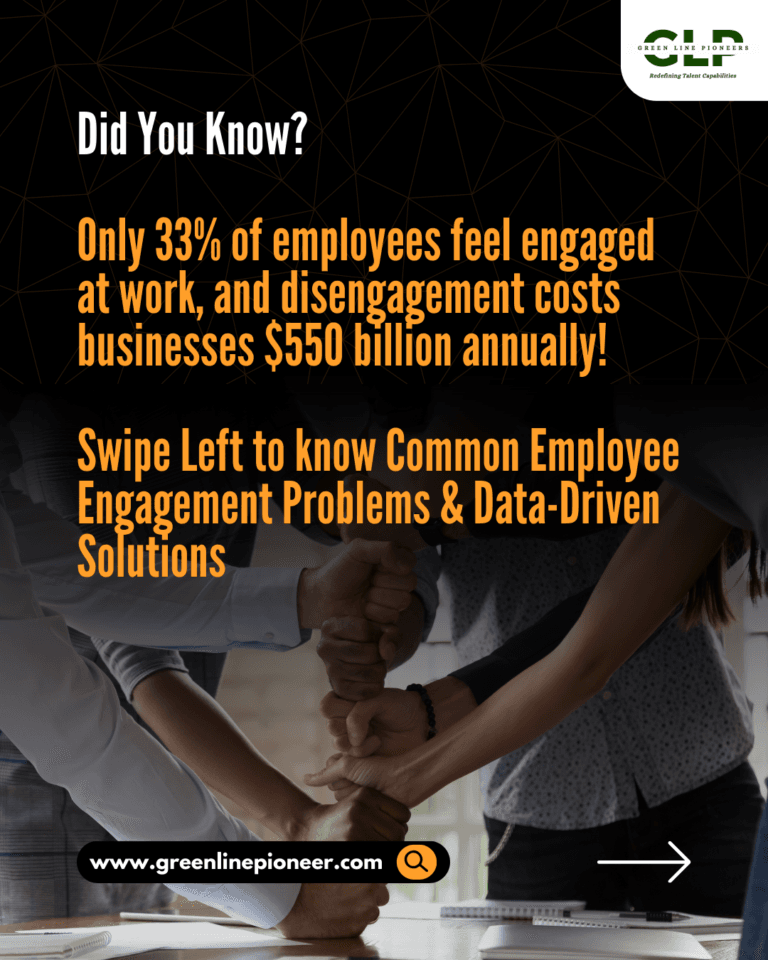
Disengaged employees are a significant financial burden for businesses. Studies show that only 33% of employees feel engaged at work, while disengagement costs companies over $550 billion annually. Addressing engagement issues isn’t just about employee satisfaction—it’s a strategic investment in business growth.
Key Statistics on Employee Disengagement
- 76% of employees leave their jobs due to a lack of growth opportunities.
- 77% of employees experience burnout, leading to decreased productivity.
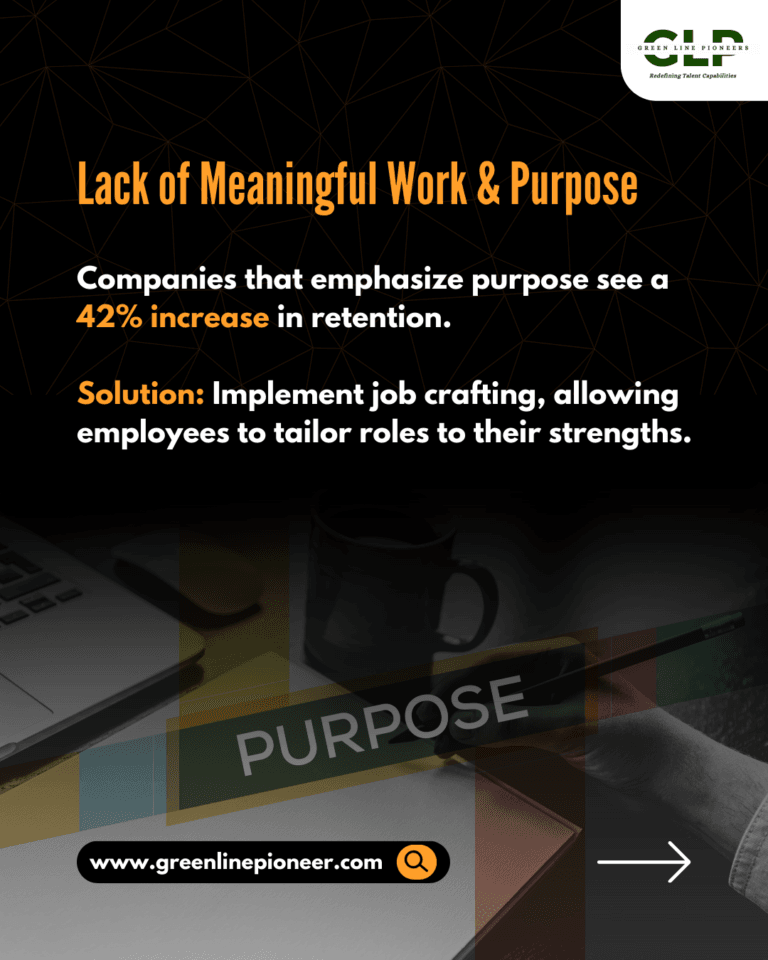
- Companies that prioritize purpose in work see a 42% increase in employee retention.
Understanding these numbers is the first step. Now, let’s explore the top engagement challenges and how to solve them using data-driven strategies.
Lack of Recognition & Appreciation
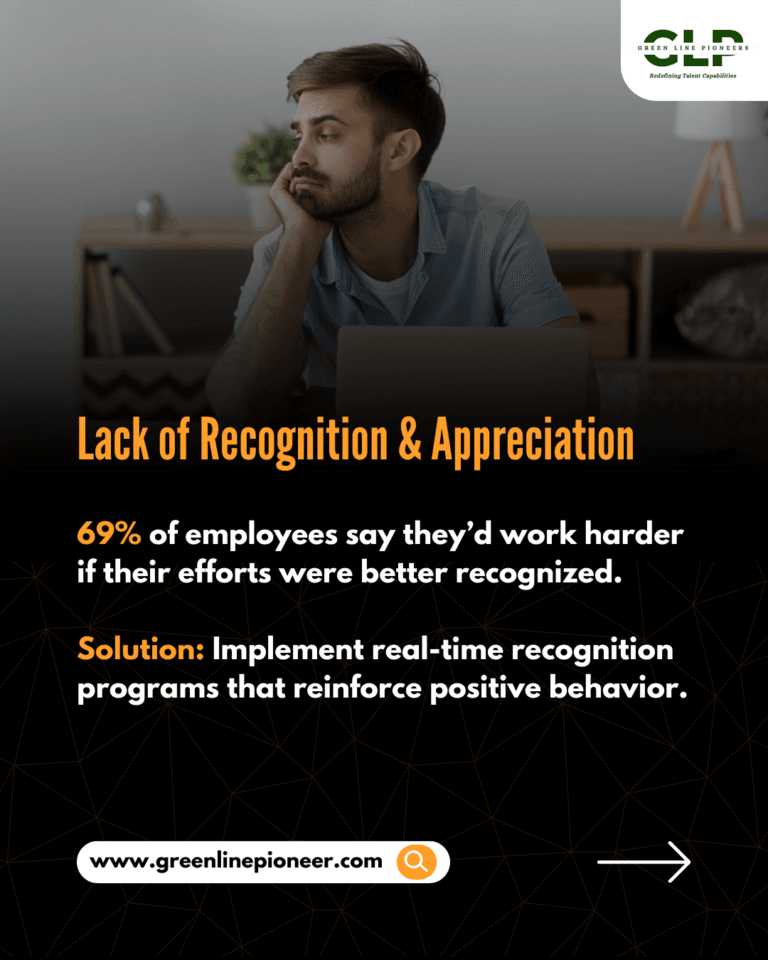
The Problem: Employees who feel undervalued often disengage and become less productive. Research indicates that 69% of employees would work harder if they felt better recognized.
The Solution: Implement real-time recognition programs that celebrate employee achievements immediately. Use AI-driven performance tracking tools to identify top performers and reward them with incentives such as:
- Personalized bonuses based on contributions.
- Peer-to-peer recognition platforms to foster a culture of appreciation.
- Regular employee appreciation events to celebrate milestones.
Recognition must be frequent, personalized, and meaningful to have a lasting impact.
Employee Burnout & Work-Life Imbalance
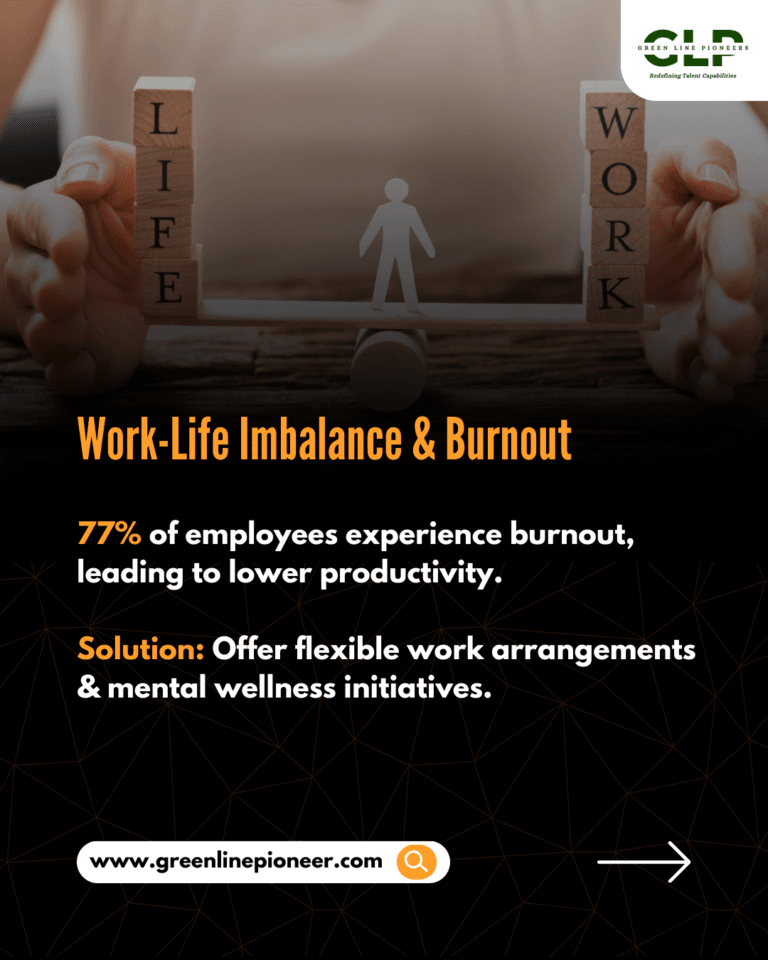
The Problem: Over 77% of employees experience burnout, leading to increased absenteeism, low productivity, and high turnover.
The Solution: Implement work-life balance initiatives such as:
- Flexible work arrangements, including hybrid or remote work options.
- Mental health support programs, such as access to counseling and wellness workshops.
- Encouraging regular breaks through wellness challenges and mandatory time-off policies.
Companies that prioritize mental well-being experience higher retention and employee satisfaction rates.
Lack of Purpose & Meaning in Work
The Problem: Employees who don’t feel connected to their company’s mission are less likely to stay engaged. 42% of employees are more likely to remain at companies that align with their personal values.
The Solution: Implement job crafting techniques, allowing employees to tailor their roles based on their strengths and interests:
- Encourage employee-led projects that align with company goals.
- Offer cross-functional opportunities to let employees explore different aspects of the business.
- Regularly communicate the company’s mission and how individual contributions make an impact.
A sense of purpose fosters deep engagement and long-term commitment.
Ineffective Communication & Leadership Disconnect
The Problem: Employees feel disengaged when leadership fails to communicate transparently. 70% of employees say poor communication affects their job performance.
The Solution: Improve internal communication strategies by:
- Hosting regular town halls where leadership shares company updates and listens to employee feedback.
- Using AI-driven sentiment analysis to track employee concerns in real-time.
- Creating a feedback-driven culture, ensuring employees feel heard and valued.
Strong leadership communication builds trust and engagement across all levels of an organization.
Weak Employee Engagement Measurement & Analysis
The Problem: Many companies don’t track engagement effectively, leading to uninformed decision-making.
The Solution: Use data-driven engagement tools such as:
- AI-based employee sentiment analysis to gauge workplace satisfaction.
- Real-time engagement dashboards to monitor employee morale trends.
- Pulse surveys and analytics to collect feedback and implement immediate improvements.
Regular engagement tracking helps HR teams make informed decisions and optimize workplace culture.
How Green Line Pioneers Can Help
At Green Line Pioneers, we specialize in data-driven employee engagement strategies that enhance workplace culture, boost performance, and reduce turnover. Our tailored solutions include:
- AI-powered employee engagement analytics to identify problem areas and optimize workforce satisfaction.
- Custom leadership training programs to improve internal communication and team cohesion.
- Personalized career development plans to help employees grow within your organization.
Ready to transform your workplace into an engaged, high-performing environment? Contact Green Line Pioneers today to build a motivated workforce and drive sustainable business growth!

Green Line Pioneers
Redefining Talent Capabilities
Explore us on Social Media