
Beyond the Software: Is Your HR Technology Actually Driving Business Results?
HR technology isn’t just another line item in the IT budget or a collection of software modules. It’s the operational backbone for managing your organization’s most critical resource: its people. When thoughtfully selected, implemented, and aligned with business objectives, HR tech transforms from a simple tool into a strategic engine capable of producing measurable outcomes. But how do you know if your current setup is truly pulling its weight?
Many organizations find themselves burdened by HR systems that fall short. Outdated platforms, fragmented solutions, or tools implemented without clear purpose can create frustration, inefficiency, and missed opportunities. The question isn’t just if you have HR technology, but how effectively it serves your organization and its people.
Why Strategic HR Technology Alignment is Non-Negotiable
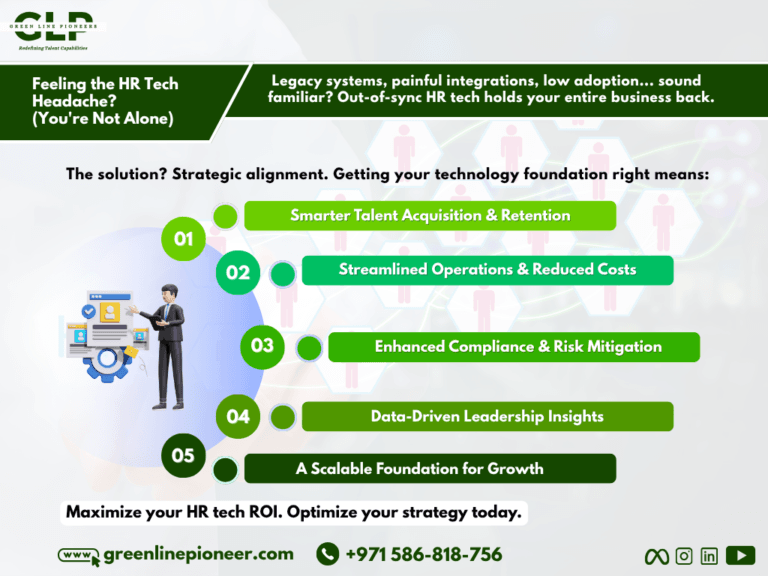
Investing in the right HR tech, configured for your specific needs, addresses fundamental challenges faced by modern businesses:
- Untangling Operational Complexity: Manual data entry, paper-based processes, and disconnected systems drain HR team capacity and introduce errors. Integrated HR technology consolidates workflows, automating routine tasks like payroll processing, leave requests, and onboarding checklists. This reclaims valuable time for HR professionals to concentrate on strategic initiatives like talent development and organizational design. Employees also benefit from streamlined self-service options.
- Replacing Guesswork with Informed Direction: Scattered employee data across spreadsheets, emails, and separate systems makes meaningful analysis nearly impossible. Modern HR platforms centralize people data, turning it into understandable insights. This allows leaders to identify trends in hiring, retention, performance, and skills gaps. Decisions about talent acquisition strategies, compensation adjustments, learning investments, and workforce planning move from intuition to evidence-based action, directly supporting broader business goals.
- Creating a Cohesive Employee Experience: Every interaction an employee has with HR processes – from the initial job application and onboarding to performance reviews, internal mobility applications, and departure – shapes their perception of the company. Clunky, unintuitive tools create friction and frustration. Purpose-built HR technology provides a consistent, user-friendly experience across the entire employee lifecycle. This reduces administrative burden for employees, increases engagement, and contributes directly to productivity and retention.
- Building Adaptability for the Future: Business landscapes shift rapidly. Mergers, acquisitions, market expansions, and evolving workforce models (like hybrid or remote work) demand flexibility. Rigid or outdated HR systems become significant roadblocks. Choosing scalable, adaptable HR technology ensures your people operations can smoothly adjust to support new business strategies, regulatory changes, and the changing needs of your workforce without costly overhauls or workarounds.
- Safeguarding Trust and Integrity: Employee data is highly sensitive, and compliance requirements are increasingly complex and varied. Managing this manually or with insecure systems poses significant legal, financial, and reputational risks. Robust HR technology incorporates strong security protocols and built-in compliance features for data privacy (like GDPR/CCPA), payroll regulations, labor laws, and reporting requirements. This protects both the organization and its employees, building essential trust.
Investing Wisely: More Than Just an IT Rollout
Procuring and implementing HR technology should never be treated solely as an IT project. It’s a strategic business initiative focused on building a resilient, people-centric organization prepared for future challenges and opportunities. True success comes from:
- Alignment: Ensuring the technology directly supports defined business and HR objectives.
- Integration: Creating seamless connections between HR systems and other critical business platforms (finance, operations).
- Change Management: Preparing and supporting employees and managers to adopt new tools effectively.
- Ongoing Evaluation: Regularly assessing if the technology continues to meet evolving needs and delivers expected value.
Is Your HR Technology Meeting the Mark?
Don’t settle for HR technology that simply exists. It should actively contribute to your organization’s success. Ask yourself:
- Are HR processes significantly more efficient than before implementation?
- Do leaders have easy access to reliable people analytics for decision-making?
- Is the employee feedback regarding HR tools generally positive, indicating a smooth experience?
- Can your systems adapt relatively easily to new business requirements or workforce models?
- Are you confident in your compliance posture and data security?
If these questions raise doubts, it might be time for a closer look.
Ready to move past limitations and unlock the full potential of your HR technology? Let’s discuss how your systems can become a genuine driver of organizational results.

Green Line Pioneers
Redefining Talent Capabilities
Explore us on Social Media