
Beyond the Panic & Perfection: Mastering the Balanced Hiring Strategy That Wins Talent
Hiring isn’t just about filling chairs; it’s a high-stakes strategic decision that shapes your team’s DNA, your company culture, and ultimately, your bottom-line results. Yet, in the pressure cooker of business demands, many organizations unwittingly sabotage their own success by falling into one of two costly traps: rushing the process or chasing an elusive ideal. The consequence? Missing out on exceptional talent and suffering avoidable losses. Let’s dissect these pitfalls and unveil the balanced, strategic approach proven to secure the right people consistently.
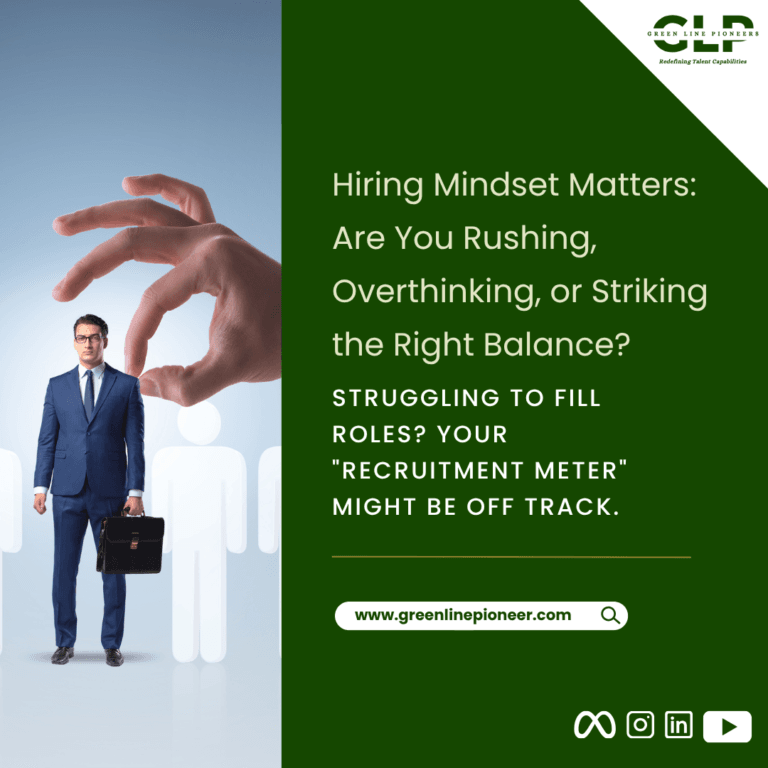
The High Cost of Hiring Mistakes
Before diving into the solutions, acknowledge the true impact of a mis-hire. Beyond the obvious recruitment costs (ads, agency fees, time spent interviewing), consider:
- Reduced Team Morale & Productivity: A poor fit disrupts workflow, creates friction, and drains energy.
- Managerial Time Sink: Excessive hand-holding, conflict resolution, and potential re-hiring efforts consume leadership bandwidth.
- Lost Opportunities: Vacant roles or underperforming hires mean missed deadlines, stalled projects, and forfeited market advantages.
- Damage to Employer Brand: Negative candidate experiences or high turnover tarnish your reputation, making future hiring harder.
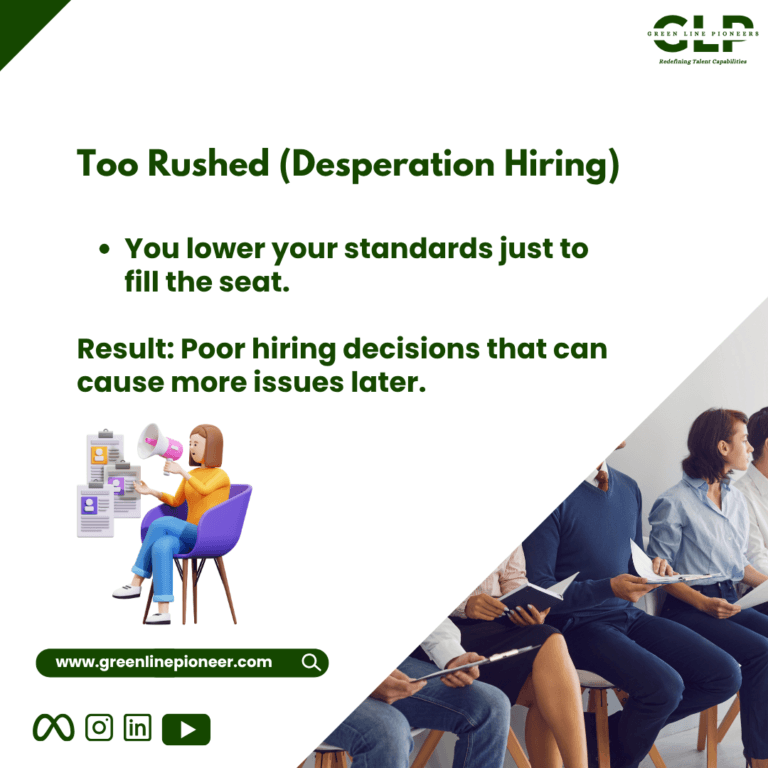
Trap 1: The Rushed Hire (Acting in Panic Mode)
- The Scenario: A critical role is vacant. Pressure mounts from leadership, workload piles up on the team, and the urgent need to “just get someone in” becomes overwhelming.
- The Compromise: Standards inevitably slip. Focus shifts dramatically towards immediate availability (“Can they start Monday?”) rather than long-term suitability. Core requirements like cultural alignment, problem-solving ability, or specific technical nuances get glossed over. The interview process may be truncated, reference checks rushed, or red flags ignored.
- The Painful Result: You hire someone who can do the job (maybe), but not someone who excels or fits. This often leads to:
- Quick turnover (they leave or you let them go).
- Mediocre performance requiring excessive oversight.
- Increased team conflict and decreased morale.
- Ultimately, you’re back at square one, having wasted significant time and resources, often in a worse position than before.
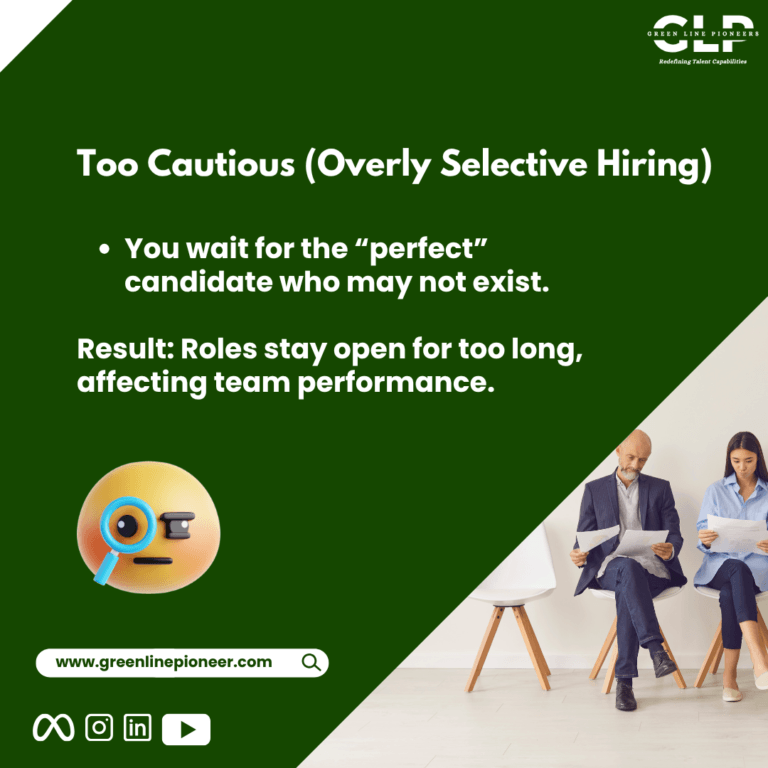
Trap 2: The Perfection Paralysis (Waiting for Unicorns)
- The Scenario: Fear of a bad hire leads to setting impossibly high standards. You’re not just looking for qualified; you’re seeking the mythical “purple squirrel” – someone with every desired skill, decades of niche experience, the exact right personality type, and a flawless track record. Compromise feels like failure.
- The Stalemate: Roles remain open for months, sometimes over a year. Talented candidates who meet 80-90% of the requirements are passed over because they lack one minor certification or didn’t work with a specific tool. Interview processes become excessively long and burdensome, deterring top performers.
- The Costly Result:
- Massive Productivity Drain: Existing team members are stretched thin, covering the gap, leading to burnout and resentment.
- Lost Momentum: Projects stall, innovation halts, and business opportunities slip away.
- Top Talent Loss: The best candidates (who have options) won’t wait months for an offer; they accept roles elsewhere. Your pool shrinks to the desperate or less qualified.
- Damaged Employer Brand: A reputation for slow, indecisive hiring makes top performers wary of applying.
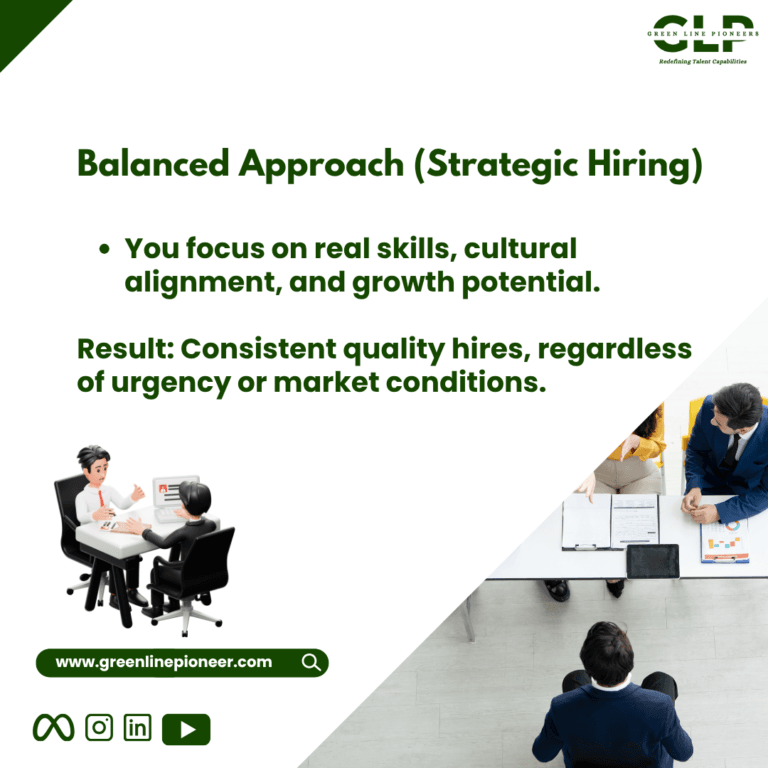
The Winning Formula: The Balanced, Strategic Hiring Approach
Escaping these traps requires intentionality and discipline. The balanced approach focuses on consistent, objective evaluation centered on what truly drives success in the role and your organization.
- Define Your True Non-Negotiables (Before You Post the Job):
* Skills:What are the essentialtechnical or functional skills required to perform the core duties on day one? Separate “must-haves” from “nice-to-haves.” Be realistic.
* Values & Cultural Alignment: What core behaviors and attitudes are critical for thriving within your specific team and company? (e.g., collaboration vs. extreme independence, growth mindset, specific communication styles). Define these concretely, not vaguely.
* Core Motivation & Potential: Does the candidate demonstrate genuine interest in the work, the company mission, and the problems they’ll solve? Do they show the aptitude and curiosity to learn and grow into the role and beyond? Look for trajectory. - Structure a Consistent, Objective Process:
* Standardized Interviews:Use the same core questions (often behavioral or situational) for all candidates in a role. Focus on past experiences demonstrating the skills and values you identified. Utilize scorecards to rate answers objectively.
* Calibrated Interview Panels:Ensure interviewers understand the core criteria and are trained to assess objectively, minimizing unconscious bias. Debrief sessions should focus on evidence, not just gut feelings.
* Realistic Timelines: Set a target timeframe for the process (e.g., 3-4 weeks from first interview to offer) and stick to it as much as possible. Communicate this timeline to candidates.
* Rigorous, Focused Reference Checks: Ask specific questions designed to validate the skills, values, and motivations you prioritized during interviews. - Embrace Smart Compromise:
* Skills Gap Analysis:If a candidate excels in values alignment and core motivation but lacks one specific “nice-to-have” skill, is that skill truly essential? Can it be learned quickly on the job? Invest in potential where core values align.
* Potential Over Pedigree:Sometimes a candidate with slightly less experience but demonstrably strong problem-solving abilities, learning agility, and cultural fit will outperform the “perfectly” experienced candidate who’s a poor fit.
* Focus on Core Impact: Will this person significantly contribute to the team’s goals and the company’s mission based on their proven abilities and alignment? That’s the ultimate question.
The Tangible Results of Balance:
Adopting this strategic, consistent approach yields powerful outcomes:
- Higher Quality Hires: People who possess the right skills, align with your culture, and are motivated to contribute meaningfully.
- Reduced Turnover: Good fits stay longer, reducing costly churn and recruitment expenses.
- Increased Team Productivity & Morale: Teams gel faster, collaboration improves, and burnout decreases when roles are filled effectively.
- Stronger Employer Brand: A reputation for a fair, efficient, and values-driven hiring process attracts top talent.
- Faster (Smarter) Filling of Roles: By avoiding perfection paralysis and having a clear process, you make confident decisions within a reasonable timeframe.
- Long-Term Organizational Health: You build resilient, high-performing teams capable of driving sustained success.
The Takeaway: Ditch the Extremes, Embrace Strategy
The pressure to fill a role quickly and the fear of making a bad hire that leads to chasing perfection are both understandable – but both are proven recipes for failure. They cost you the very talent you need to thrive.
The solution lies in disciplined balance. By clearly defining what truly matters for success in the role and your company, structuring a consistent and objective process to evaluate those criteria, and being willing to compromise intelligently on non-essentials, you transform hiring from a reactive chore into a strategic advantage.
Stop letting panic or perfectionism dictate your talent acquisition. Start implementing a balanced, strategic hiring approach today. It’s not just about filling a vacancy; it’s about investing in the future of your team and your business.

Green Line Pioneers
Redefining Talent Capabilities
Explore us on Social Media